


Choosing the Best Wild Bird Feed for Your Backyard
Creating a welcoming environment for wild birds in your backyard can be a rewarding experience. Not only does it allow you to connect with nature, but it also supports local wildlife. However, with so many options available, choosing the best wild bird feed can be overwhelming. This guide will help you navigate the various types of bird feed, understand the dietary needs of different bird species, and ultimately select the best feed for your feathered friends.
Understanding Bird Feeding Basics
Before diving into specific types of bird feed, it’s essential to understand the basics of bird feeding. Birds have different dietary needs based on their species, habitat, and the season. Here are some key points to consider:
Seed Types: Different birds prefer different seeds. For example, finches love nyjer seeds, while cardinals are drawn to sunflower seeds.
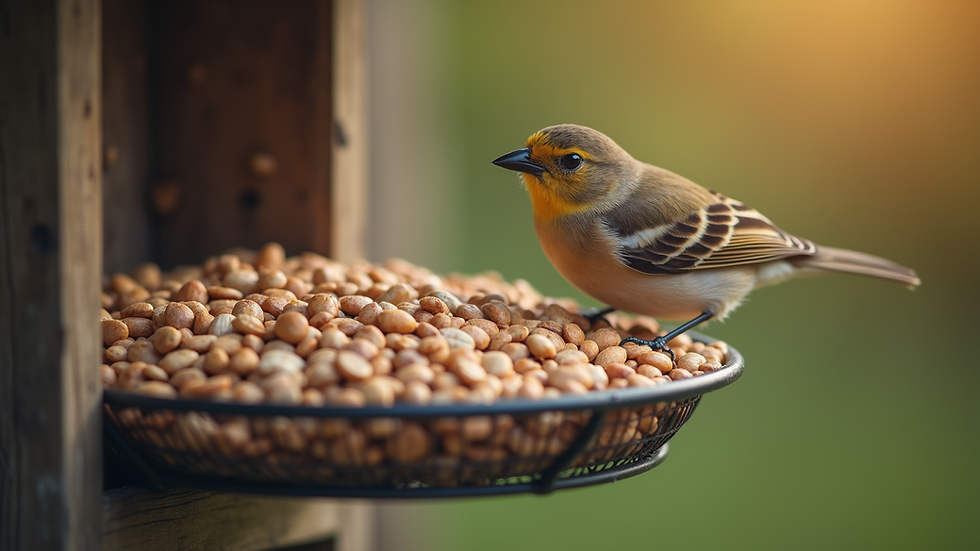
Feeder Types: The type of feeder you use can influence which birds visit your yard. Tube feeders are great for small seeds, while platform feeders can accommodate larger seeds and fruits.
Seasonal Changes: Birds’ dietary needs can change with the seasons. In winter, they may require higher fat content to sustain energy levels.
Types of Bird Feed
1. Seed Mixes
Seed mixes are a popular choice for backyard bird feeding. They often contain a variety of seeds to attract multiple species. However, not all seed mixes are created equal. Here are some common components:
Sunflower Seeds: These are a favorite among many birds, including chickadees, cardinals, and blue jays. They are high in fat and provide essential energy.
Millet: Often found in mixes, millet is favored by ground-feeding birds like sparrows and juncos.
Safflower Seeds: These seeds attract cardinals and are less appealing to squirrels, making them a great choice for those looking to deter these critters.
2. Nyjer Seeds
Nyjer seeds, also known as thistle seeds, are tiny black seeds that are particularly popular among finches. They are high in oil content and provide excellent nutrition. To effectively feed nyjer seeds, use a specialized feeder with small holes to prevent the seeds from spilling out.
3. Suet
Suet is a high-energy food made from animal fat, often mixed with seeds or fruits. It is especially beneficial during the colder months when birds need extra calories. Woodpeckers, nuthatches, and chickadees are among the species that enjoy suet. You can find suet cakes in various flavors, including peanut butter and berry blends.
4. Mealworms
Mealworms are a protein-rich food source that many birds, including bluebirds and wrens, find irresistible. You can purchase live or dried mealworms. Offering them in a shallow dish can attract insect-eating birds to your yard.
5. Fruits and Nuts
Fresh fruits and nuts can also be a great addition to your bird feeding strategy. Sliced apples, oranges, and berries can attract a variety of birds. Peanuts, either in the shell or shelled, are particularly appealing to jays and woodpeckers.
Choosing the Right Bird Feed
When selecting bird feed, consider the following factors:
1. Bird Species in Your Area
Research the types of birds commonly found in your region. Local birdwatching groups or online resources can provide valuable insights into the species you are likely to attract. Tailoring your feed to the preferences of these birds will increase your chances of success.
2. Quality of Feed
Not all bird feed is created equal. Look for high-quality, fresh seeds without fillers like corn or wheat, which many birds may not eat. Brands that offer specific blends for different bird species can also be beneficial.
3. Budget
Bird feeding can be an enjoyable hobby, but it can also become costly. Determine your budget and look for bulk purchasing options or local co-ops that may offer discounts on bird feed.
4. Seasonal Considerations
As mentioned earlier, birds’ dietary needs change with the seasons. In winter, consider high-fat options like suet and sunflower seeds. In spring and summer, you might want to include more fruits and insects to support nesting birds.
Setting Up Your Feeding Station
Once you’ve chosen the right bird feed, it’s time to set up your feeding station. Here are some tips to create an inviting space for birds:
1. Location
Place your feeders in a quiet area, away from heavy foot traffic and potential predators. Ideally, they should be near natural cover, like shrubs or trees, where birds can perch and feel safe.
2. Height
Feeders should be placed at a height that is accessible to birds but also safe from ground predators. A height of 5 to 6 feet is generally ideal.
3. Cleanliness
Regularly clean your feeders to prevent mold and disease. Rinse them with hot water and a mild soap solution, and allow them to dry completely before refilling.
4. Water Source
Providing a water source, such as a birdbath, can enhance your backyard’s appeal. Birds need water for drinking and bathing, especially during hot summer months.
Attracting a Variety of Birds
To attract a diverse range of birds, consider offering a mix of different types of feed and feeders. Here are some strategies:
Use Multiple Feeders: Different feeders can cater to various species. For example, a tube feeder for finches, a platform feeder for larger birds, and a suet feeder for woodpeckers.
Plant Native Vegetation: Incorporating native plants into your landscape can provide natural food sources and shelter for birds.
Avoid Pesticides: Reducing or eliminating pesticide use in your yard can create a healthier environment for birds and their food sources.
Troubleshooting Common Issues
Even with the best intentions, bird feeding can come with challenges. Here are some common issues and solutions:
1. Squirrels
Squirrels can be persistent when it comes to stealing bird feed. Consider using squirrel-proof feeders or placing feeders on poles with baffles to deter them.
2. Pests
Ants and other pests can invade feeders. Using ant moats or keeping feeders clean can help minimize these issues.
3. Unwanted Birds
If you find that unwanted species are dominating your feeders, consider switching to specific seed types that appeal to your desired birds. For example, safflower seeds can deter some nuisance birds while attracting cardinals.
Conclusion
Choosing the best wild bird feed for your backyard is a rewarding endeavor that can enhance your outdoor space and support local wildlife. By understanding the dietary needs of different bird species, selecting high-quality feed, and creating an inviting feeding station, you can enjoy the beauty of birds in your yard. Remember to stay observant and adjust your feeding strategies as needed to attract a variety of feathered friends. Happy birdwatching!


Comments