


Essential Animal Feed for Your Farm and Pets
When it comes to raising animals, whether for farming or companionship, the right nutrition is crucial. The type of feed you choose can significantly impact the health, growth, and productivity of your animals. In this blog post, we will explore the essential animal feed options available for both farm animals and pets, ensuring that you make informed decisions for their well-being.

Understanding Animal Nutrition
Animal nutrition is a complex field that encompasses the dietary needs of various species. Each animal has unique requirements based on its age, species, and purpose (e.g., production, companionship). Here are some fundamental concepts to consider:
Nutritional Components
Proteins: Essential for growth and repair of tissues. Sources include soybean meal, alfalfa, and fish meal.
Carbohydrates: Provide energy. Common sources are grains like corn and oats.
Fats: Important for energy and absorption of fat-soluble vitamins. Sources include vegetable oils and animal fats.
Vitamins and Minerals: Vital for various bodily functions. These can be provided through supplements or mineral blocks.
Life Stages and Dietary Needs
Young Animals: Require higher protein levels for growth.
Adult Animals: May need a balanced diet focusing on maintenance and production.
Pregnant or Lactating Animals: Have increased nutritional needs to support both themselves and their offspring.
Essential Feed for Farm Animals
Farm animals, such as cattle, pigs, sheep, and poultry, have specific dietary needs that must be met to ensure optimal health and productivity.
Cattle Feed
Cattle are ruminants and require a diet rich in fiber. Here are some essential feed options:
Forage: Grass, hay, and silage are crucial for digestion and overall health.
Grain: Corn and barley can be included to boost energy levels, especially for dairy cows.
Protein Supplements: Soybean meal or cottonseed meal can help meet protein requirements.
Poultry Feed
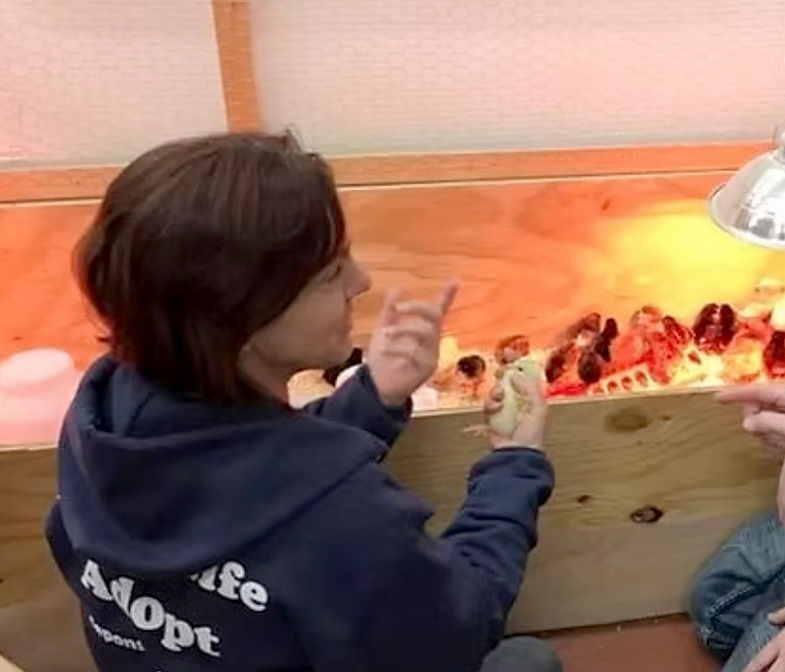
Chickens, ducks, and turkeys have different nutritional needs based on their age and purpose (meat or egg production).
Starter Feed: High in protein for chicks to support rapid growth.
Grower Feed: Balanced nutrition for young birds transitioning to adulthood.
Layer Feed: Formulated for egg-laying hens, enriched with calcium for strong eggshells.
Swine Feed
Pigs require a well-balanced diet to ensure healthy growth and reproduction.
Starter Feed: High protein content to support growth in piglets.
Grower and Finisher Feed: Gradually lower protein levels as pigs mature, focusing on energy and fat deposition.
Essential Feed for Pets
Pets, including dogs and cats, also require specific nutrition tailored to their needs.
Dog Food
Dogs are omnivores, and their diet should include a balance of proteins, carbohydrates, and fats.
Dry Kibble: Convenient and often fortified with vitamins and minerals.
Wet Food: Higher moisture content, appealing to picky eaters.
Raw Diet: Some owners opt for raw feeding, which includes raw meat, bones, and vegetables.
Cat Food
Cats are obligate carnivores, meaning they require a diet primarily composed of meat.
Dry Cat Food: Often includes high protein content and essential nutrients.
Wet Cat Food: Provides hydration and is usually more palatable.
Specialty Diets: For health issues like urinary tract problems or obesity.
Choosing the Right Feed
Selecting the right feed for your animals can be overwhelming. Here are some tips to help you make informed choices:
Research and Consult
Consult a Veterinarian: They can provide tailored advice based on your animals' specific needs.
Research Brands: Look for reputable brands that prioritize quality ingredients and nutritional balance.
Read Labels
Ingredient List: Ensure that the primary ingredients are high-quality sources of protein and nutrients.
Guaranteed Analysis: Check the nutritional content to ensure it meets your animals' needs.
Monitor Health
Observe Your Animals: Keep an eye on their health, coat condition, and energy levels. Adjust their diet if necessary.
Regular Check-ups: Schedule veterinary visits to monitor overall health and nutrition.
Common Feeding Mistakes
Even with the best intentions, mistakes can happen. Here are some common feeding errors to avoid:
Overfeeding: Can lead to obesity and related health issues. Measure portions according to guidelines.
Ignoring Life Stages: Feeding adult food to puppies or kittens can hinder their growth.
Neglecting Water: Always provide fresh water alongside feed to ensure hydration.
Conclusion
Feeding your farm animals and pets the right nutrition is essential for their health and productivity. By understanding their specific dietary needs, choosing high-quality feed, and monitoring their health, you can ensure that your animals thrive. Remember, a well-fed animal is a happy and productive one. Take the time to research and consult with professionals to make the best choices for your beloved animals.
As you embark on this journey of animal care, consider reaching out to local feed suppliers or veterinarians for additional resources and support. Your animals deserve the best, and with the right knowledge, you can provide them with a healthy and fulfilling life.

Comments